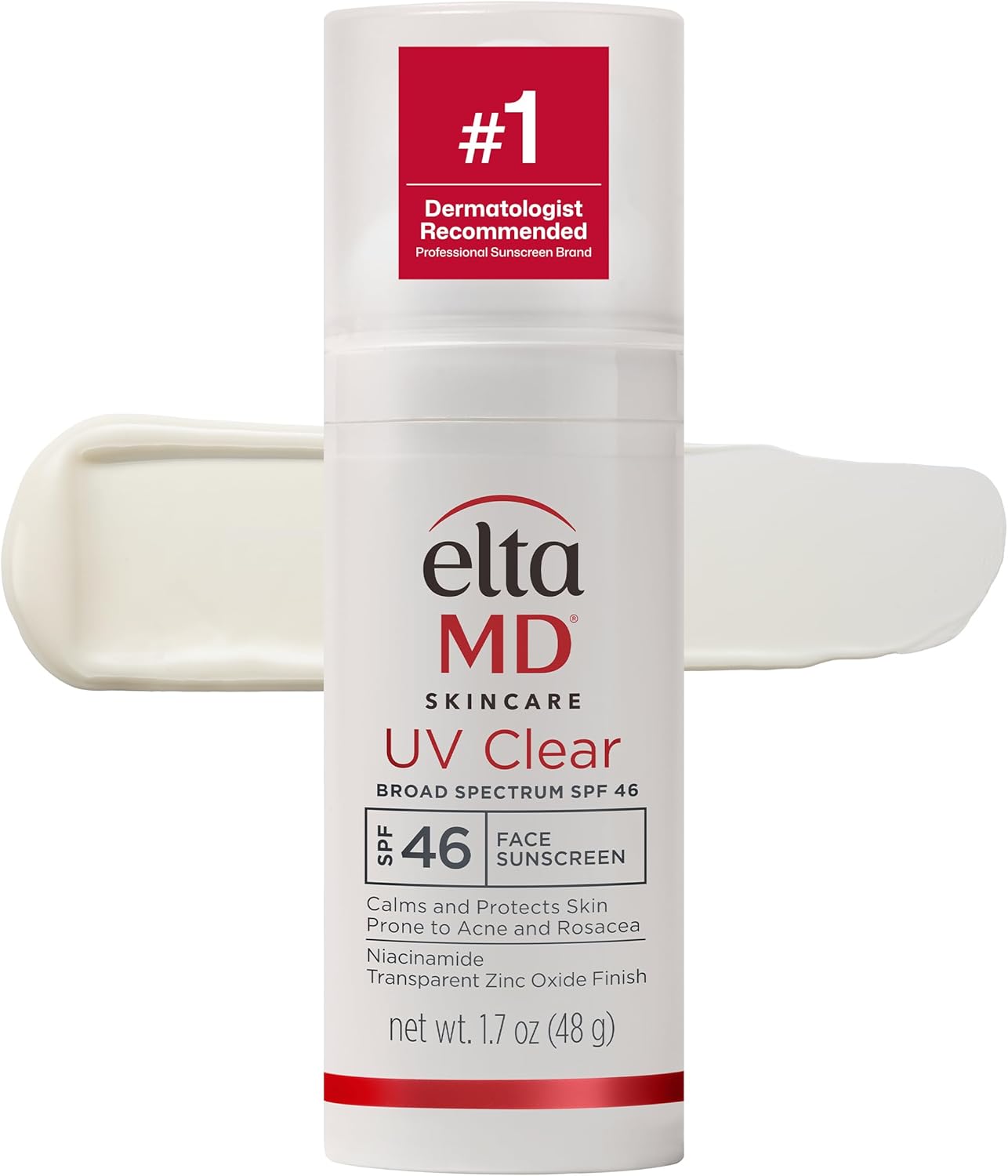
EltaMD UV Clear SPF 46
~$45Zinc oxide + niacinamide, proven formula. Old-gen filters, but zinc oxide is photostable. The #1 dermatologist-recommended facial sunscreen for acne-prone skin.
Best for: Acne-prone face
Check price on Amazon →Most US sunscreens use avobenzone as their UVA filter. It degrades 30–50% in the first hour. The fix has existed in Korea and Europe for 20 years. The FDA approved it in the US on June 9, 2026.
The UV filter in your sunscreen determines how well it actually works — not just how high the number is.
Sit on the skin surface, scatter and reflect UV. Photostable — they don't degrade in sunlight. Zinc oxide is the only single filter covering UVA I, UVA II, and UVB. White cast is the trade-off.
ZnO Zinc oxide — GRASE ✓TiO₂ Titanium dioxide — GRASE ✓Absorb UV and convert to heat. Lightweight feel, no white cast. The problem: avobenzone — the key UVA filter — degrades 30–50% in the first hour without a stabilizer. US sunscreens have relied on this generation since the 1990s.
AVO Avobenzone — photounstable aloneOXY Oxybenzone — FDA safety flagHMS Homosalate — UVB onlyBroad-spectrum UVA + UVB. Highly photostable — stays effective all day without degrading. Large molecular size means very low skin absorption. No oxybenzone concerns. Used in Korean and European sunscreens for 20+ years. The FDA approved it as GRASE on June 9, 2026 — the first new UV filter approved in the US since the 1990s.
BEMT Bemotrizinol — GRASE ✓ (June 2026)Mexoryl SX Ecamsule — NDA approved (L'Oréal only)SPF is measured at the moment of application. If your filter degrades in sunlight, your effective SPF drops throughout the day — without any warning.
Avobenzone is the UVA workhorse in most US chemical sunscreens. The problem: it's photounstable. On its own, it loses 30–50% of its efficacy within the first hour of sun exposure. Formulators pair it with octocrylene or homosalate as stabilizers — but these add their own concerns (octocrylene has coral-reef flags; homosalate has EU concentration restrictions). Tinosorb S (bemotrizinol) doesn't need a stabilizer — it's inherently photostable, and it also stabilizes avobenzone when the two are used together.
This is why the SPF number alone doesn't tell you how long your protection lasts. Filter stability determines real-world performance — not the number on the bottle.
New active ingredients require the same FDA approval process as over-the-counter drugs. Europe and Asia classify sunscreens differently — new filters move faster.
DSM-Firmenich spent ~$18 million and 20 years pursuing bemotrizinol approval. The CARES Act (2020) was supposed to accelerate it. The FDA proposed approval in December 2025.
It's the first new UV filter added to the OTC monograph in decades. DSM-Firmenich gets 18 months of marketing exclusivity — meaning US brands can't start using it until late 2027 at earliest.
A note on Korean imports: The Korean originals (Beauty of Joseon, Round Lab) use Tinosorb S — but the versions sold in the US are reformulated with old-gen filters to meet FDA rules. The EU/Korean versions are technically grey-market imports. We only recommend products you can buy confidently on Amazon.
Zinc oxide + niacinamide, proven formula. Old-gen filters, but zinc oxide is photostable. The #1 dermatologist-recommended facial sunscreen for acne-prone skin.
Best for: Acne-prone face
Check price on Amazon →
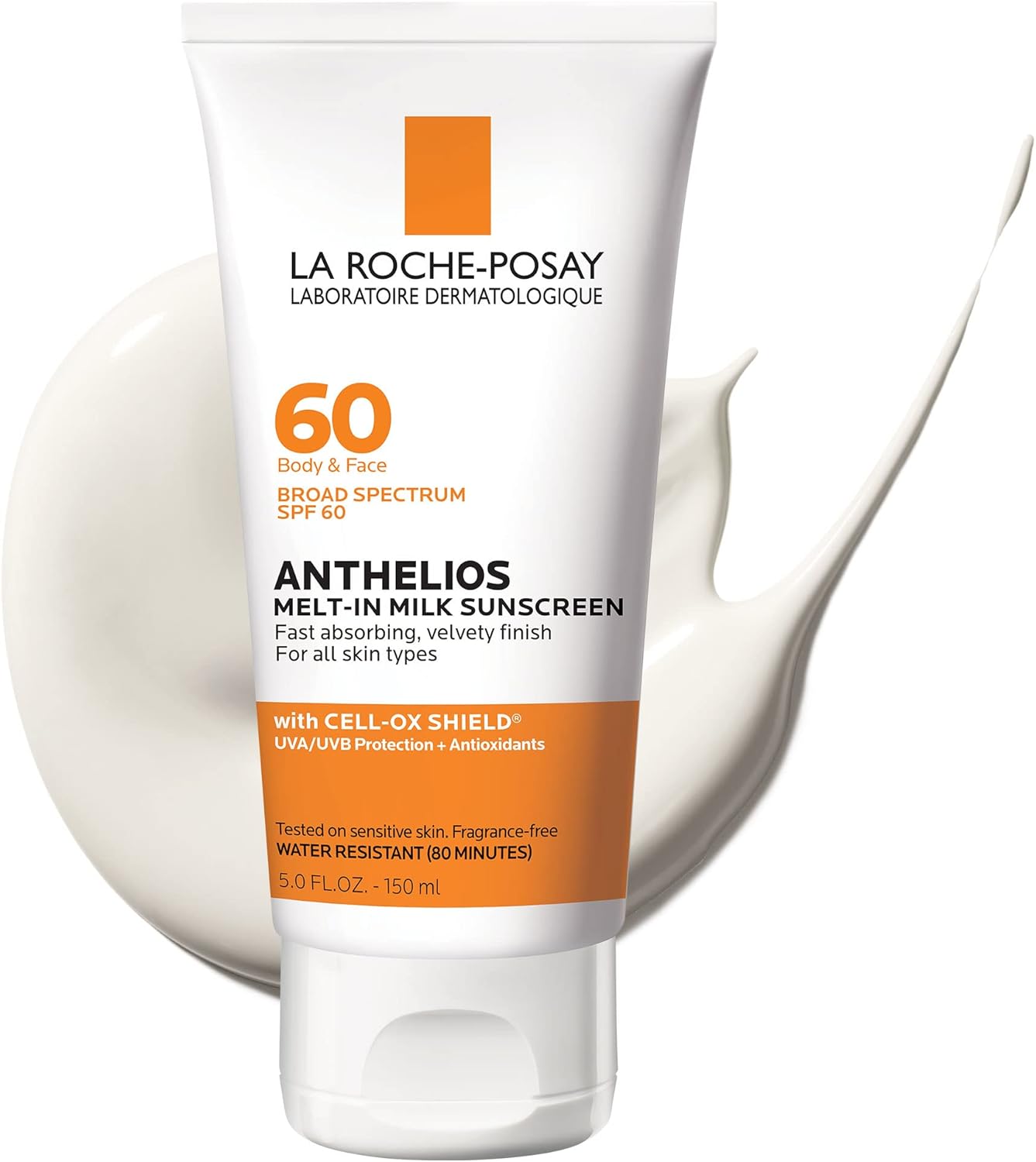
Contains Mexoryl SX (ecamsule), L'Oréal's proprietary next-gen UVA filter. The best US-available face SPF filter technology right now. Fragrance-free, dermatologist-tested.
Best for: Sensitive/outdoor face
Check price on Amazon →
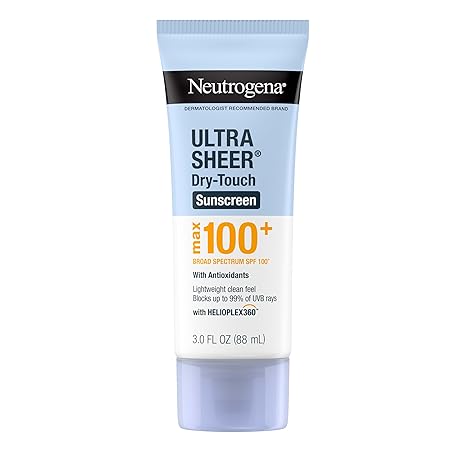
SPF 30 is sufficient for incidental daily exposure. Reapply every 2 hours. Best-value everyday body sunscreen — lightweight, dry-touch finish.
Best for: Everyday body
Check price on Amazon →Waiting for Tinosorb S in a US brand? Check back — major reformulations expected late 2027 when DSM-Firmenich's exclusivity window opens.
SunClear is reader-supported. Product links are Amazon affiliate links (tag credehkr-20). We earn a small commission if you buy — at no extra cost to you. Recommendations are based on published research and independent testing.
An SPF 30 that lasts all day beats an SPF 50 that's gone by noon.
Read the guide → Mineral vs ChemicalMineral, old chemical, new-gen — how the three types compare across 8 dimensions.
Read the guide → Best Sunscreen RankedYour face needs a different sunscreen than your body. Five picks, one honest answer each.
See ranked picks →Also using bug repellent?
Even a photostable sunscreen loses ~33% SPF when DEET disrupts the film. Order still matters — and Picaridin avoids it entirely.
See the correct order →